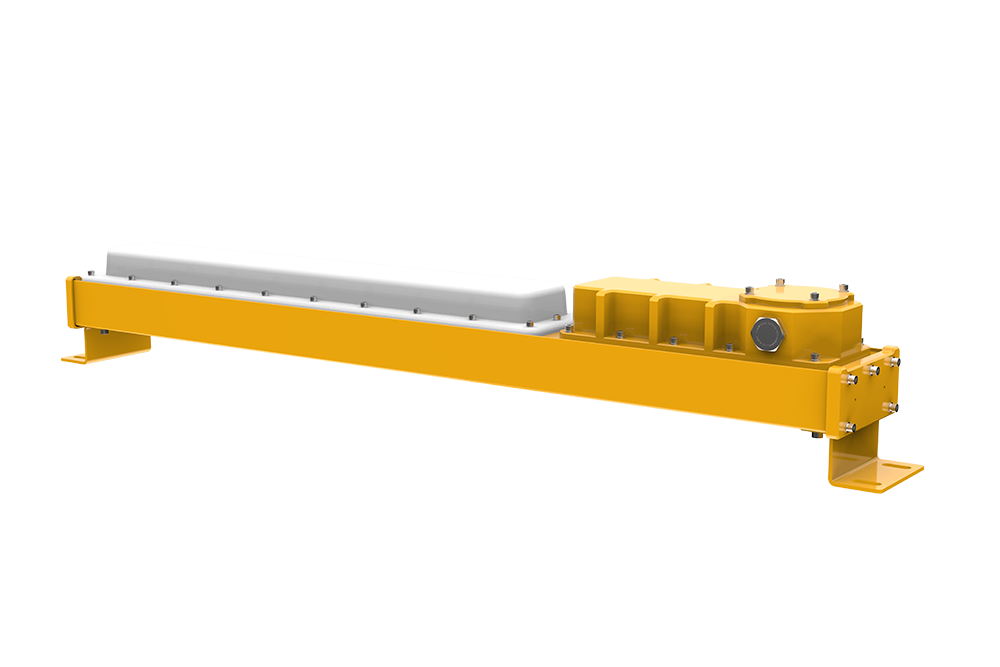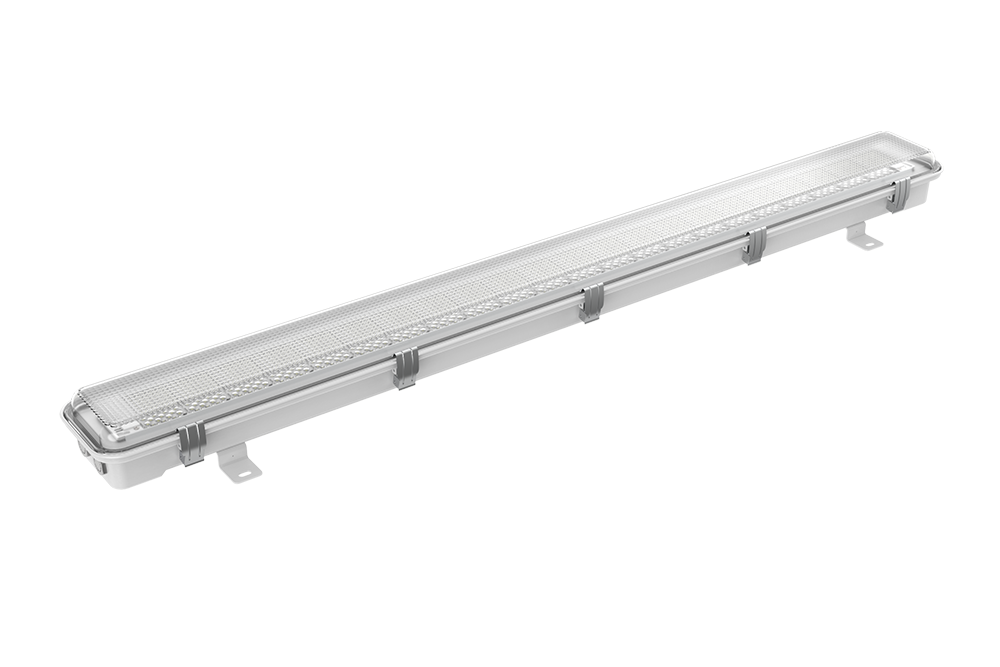
Originating the treatise reviews various systems regarding hazard-resistant units through manufacturing environments.
Executing reliably amid unsafe places especially pharmaceutical facilities involves tailored devices so as to prevent foreseeable accidents. Flame-proof illumination units are critical units in such grounds, crafted to absorb flammable particles, ignitable vapors, and combustible regions. Each contraptions are not naturally sound; on the contrary they are engineered to enclose any inner electrical fault or flash and inhibit it from producing a extended burst in the neighboring space. This presentation gives crucial insights about explosion-proof units, their uses, and hazard prevention matters for implementing them appropriately.
Decoding Explosion Proof Lighting Standards
Adhering to these blast-proof lighting protocols can be tough, especially for fields managing hazardous conditions. These mandates – often based on international bodies including the National Electrical Commission (NEC), ATEX (Europe), and IEC – set explicit design and installation procedures to reduce the possibility of combustion from energized units. Understanding prescribed standards is decisive for ensuring team safety and respect with official obligations.
Light Emitting Diode Blast Resistant Illumination: Productivity & Safeguarding
Photonic detonation-proof illumination devices demonstrate a remarkable boost over conventional gas-discharge units in spaces where volatile vapors are detected. These durable mechanisms exclusively produce premium energy management, culminating in diminished financial outlay, but notably promote a higher scale of defense by halting the probability of flaring resulting from arc transients}.
Explosion Hardened Toxic Zone Perilous Proof Combustion Flare Glow Resistant} Luminaires : A Elaborate Digest
Explosion Proofed Dangerous Region Hazardous Proof} Luminaires are intentionally crafted lighting devices built to act safely within probabilistically flammable fields. These hardy fixtures eliminate sparks, thermal flux and electric discharges from producing a catastrophic explosion. They normally incorporate state-of-the-art designs, featuring including enclosed housings and basically safe electronic components to secure safety standards in domains like petroleum & flammable gas processing, fabrication plants, earthworks operations, and medication production.
Electing the Appropriate Spark-Proof Illumination for Treacherous Areas
Assessing the ideal fire-safe units for a given exclusion zone calls for comprehensive evaluation. Components such as the label (e.g., Category I, II, or III and partitions 1) have to be rigorously assessed to secure conformity with applicable danger prevention rules. More than the environment's essential dangers, take into account natural states, such as thermal state and water content, to discover a robust and risk-free resolution. Usually consult a licensed advisor to facilitate your conclusion.
Where Occur Explosion Proof Lights?
Explosion-proof otherwise called intrinsically safe|hazardous location|Class-rated} lighting fixtures are categorically needed in diverse areas where flammable vapors or powders could conceivably create a unsafe atmosphere. This customarily includes fabrication conversion plants, protective layer application areas, foodstuff handling facilities, and effluent management treatment sites. Regulations, such as those from NEC and IEC, specify their placement in these environments to mitigate the risk of fire and maintain safety continuity.
Perks of Semiconductor in Explosion Proof Lighting
Switching to Light Emitting Diode technology for intrinsically safe lighting offers a significant selection of upsides. First, electroluminescent units boast a noticeably longer use span compared to traditional gas-discharge sources, reducing servicing expenses and idle times. They are also primarily safer, producing attenuated caloric output which lessens the chance of ignition in flammable atmospheres. Besides, luminescent sources are considerably energy efficient, leading to declined voltage use charges and a reduced sustainable environmental cost. Finally, the sturdy construction of Crystal-Based assemblies endures the harsh locales typical of blast-proof areas.
- Extended Activity Span
- Minimized Maintenance Expenditures
- Greater Mitigation
- Lesser Power Demand
- Augmented Durability
Controlling and Examining Explosion Proof Lighting Systems
Systematic inspection and careful evaluation of explosion-proof lighting schemes are critically fundamental for guaranteeing defense and avoiding potential menaces. This requires a systematic review of all parts, such as lighting installations, piping, electric cables, and associated terminal boxes. Specifically, review for chemical decay, body explosion proof lighting impairments, and reliable bonding. What is more, ensure that entire inscriptions are readable and that the lighting system observes relevant protocols.
- Complete surface inspections.
- Inspect conductive junctions.
- Validate detonation resistance.
Advancing of Explosion Proof Lighting Technology
Developing landscape of explosion-proof fixtures technology signals a distinct shift from traditional designs. Future applications will increasingly incorporate smart capabilities, enabling virtual monitoring, diagnostics, and responsive control. We imagine a strengthening adoption of LED technology, not only for its intrinsic energy efficiency, but also its potential to facilitate built-in sensors for recognizing perilous conditions. What is more, materials examination is fostering innovations in tough housing units materials, allowing for trimmed and more efficient designs, while maintaining the required levels of safety.
- Enhanced battery life for mobile applications.
- Combination with proactive maintenance systems.
- Development of self-cleaning lens technology.