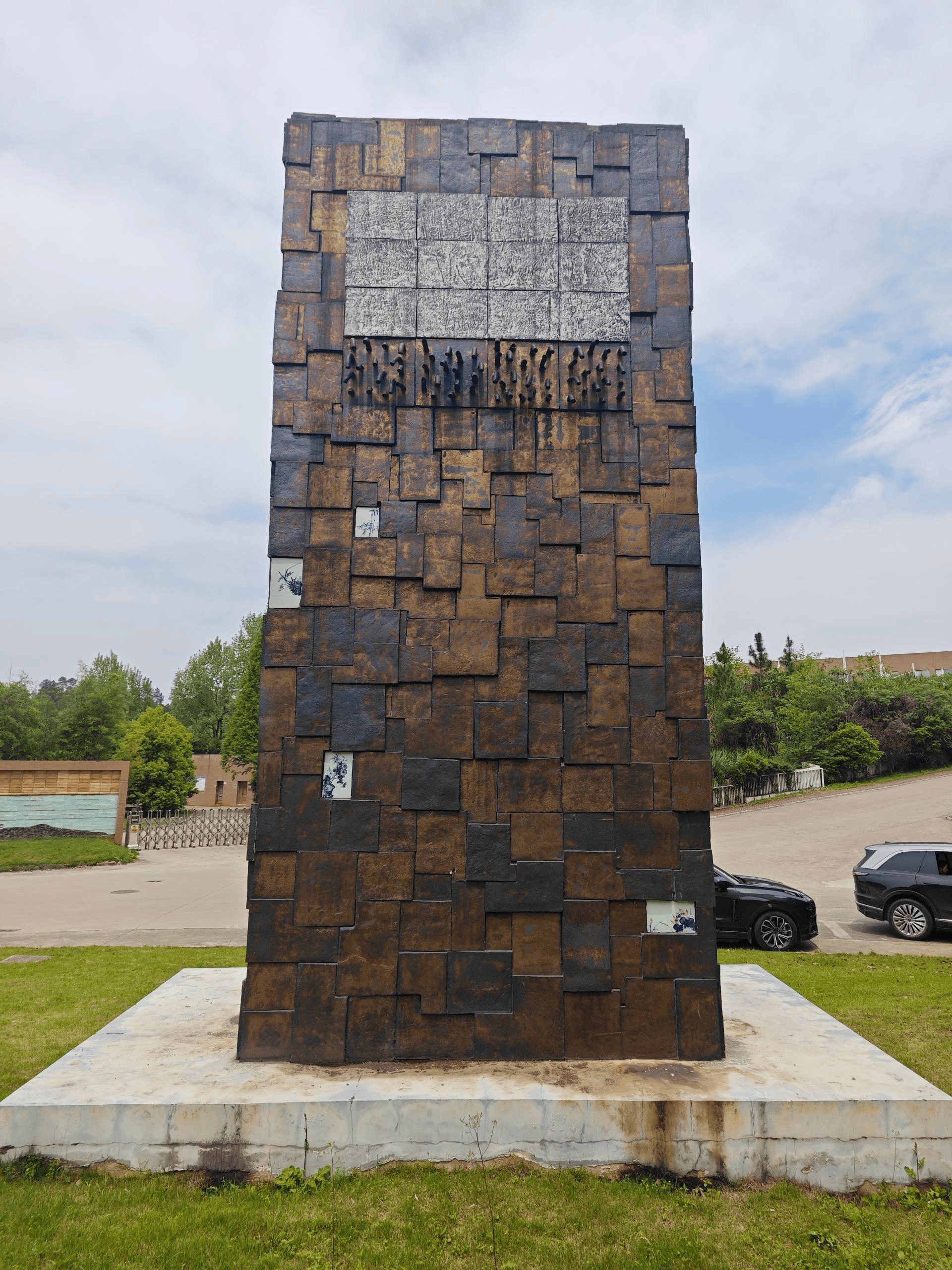
Stoneware form represents a remarkable discipline category with a extensive tradition, traveling back legions of years. From ancient urns to modern arrangements, the stuff offers unsurpassed possibilities for creative articulation. Designers manipulate diverse techniques – including forming, wheel rotating, and elevated firing processes – to transform humble earth into stunning three-dimensional objects. The toughness of fired brick also contributes to its status as a truly lasting part of human heritage.
Examining Terracotta Tablet Layouts and Ways
The sector of ceramic plaque design offers a wide array of artistic possibilities. Craftsmen often incorporate a fusion of conventional and recent techniques to fabricate visually stunning pieces. These can vary from simple, crafted reliefs to complex, multi-layered formulations. Typical methods include pattern casting, hand shaping, varnishing – which can involve different methods like painting beneath the glaze, surface glaze ornamentation, and etched pattern where designs are brought out by abrading a layer of finish. More investigation into finishing techniques such as the raku firing method and lustreware can lead to truly uncommon and bespoke stoneware panels.
- Mold Making - Assembling pieces using a model
- Hand Shaping - Accurately crafting the material
- Glaze Application - Finishing the overlay with a glassy finish
- Sgraffito - Making visible designs by peeling off finishes
Immersive Experiences: Brick Art Presentations
The developing landscape of culture presents exciting cutting-edge avenues for audiences, and ceramic art installations are at the summit of this revolution. These aren't just static forms; they are assembled to envelop the onlooker in a sensory environment. Imagine navigating within a forest of towering, fired ceramic trees, or navigating a mesh of exquisite ceramic vessels. Many creators are now incorporating acoustics, visuals, and even smell to enhance the effect of their work. Contemplate the power of a room filled with hundreds of meticulously ceramic items, each telling a legend. Frequently, such installations delve into themes of landscape, remembrance, and the collective.
- Those installations blur the thresholds between work and venue.
- Observing a ceramic art installation can be a deeply transformative journey.
- Makers are transporting the parameters of what is realizable with clay.
This Splendor of the Ceramic Jar: Meaning and Design
The terracotta pot represents a notable conjunction of functionality and decorative appeal. Historically, these vessels served a minimalist mission in holding plants, but their advancement has transformed them into highly valued works of art. Each object showcases the mastery of the builder, demonstrating how design can be as vital as application. The deliberate shaping, the exceptional glazes, and the holistic presence of a well-made container can lift a space, offering both magnificence and a soft reminder of the creative hand.
Up-to-date Stoneware Sculpture : Extending Edges
Up-to-date terracotta design represents a fascinating shift from classic practices. Makers are vigorously challenging with modern procedures, blurring the distinctions between pottery and diverse expressive domains. From massive installations to complex miniature pieces, referenced works scrutinize themes of background while concomitantly remaking the very of what clay can be. The resulting is a dynamic landscape of creative expression.
Ceramic Badge: Keeping Annals in Stoneware
Porcelain plaques offer a exceptional method for preserving significant events and personalities. In contrast to traditional metal or stone markers, these lasting pieces of work are formed from baked clay, creating a concrete link to the bygone era. Often, they illustrate intricate models or precisely drawn imagery, expressing stories that might otherwise be ignored. Such technique, originating in ancient populations, provides a lovely and eternal way ceramic vase to pay tribute to our collective narrative.
- They can be established in open spaces.
- Countless are now deemed historical wonders.
Terracotta Art Exhibits: Redefining Places
Stoneware art installations are becoming a powerful medium for artisans to reinvent public and private venues. These immersive projects frequently involve massive clay forms that attract viewers, altering their perception of the assembled environment. By employing diverse techniques like hand fabrication and intricate firing tactics, ceramic artists construct truly distinctive experiences, erasing the divisions between form and structure. The effectiveness is often a emotional transformation that improves the visual quality of the venue and encourages communication.
Beginning Rotating Wheel to Awe: The Practice of the Earthenware Receptacle
The journey of a earthenware receptacle from a simple lump of material to a finalized work of design is a testament to human resourcefulness. Initially, the process commences with the potter’s spinning device, where the masterful artisan shapes the whirling loam into a cylindrical structure. This beginning stage demands exactness and a acute eye, followed by a delicate firming period. Once rough-fired, the vase is ready for adornment, which may require designing intricate motifs, inscribing detailed vignettes, or incorporating a collection of textures. The ultimate curing process then renders the component into a durable and stunning jar, a tangible symbol of the potter's dedication.
Modeling with Terracotta: A Tutorial to Pottery Creation
Engaging the area of porcelain art begins with grasping the principles of forming with terracotta. One process requires methodically assembling and carving elements to produce three-dimensional structures. If you're a neophyte or a seasoned artist, playing with various sorts of ceramic material – for example terracotta – will aid you reveal your personal technique. Conclusively, stoneware modeling is a enriching path that integrates specialized competence with artistic manifestation.