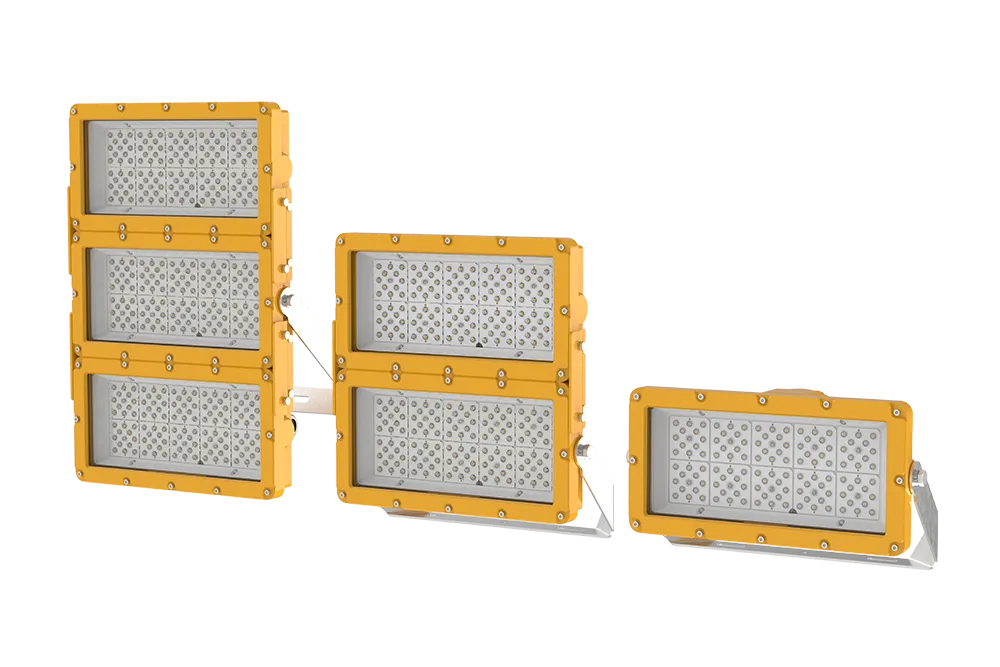
Embarking aforementioned write-up discusses a solutions about detonation-proof illumination alongside processing settings.
Acting effectively in treacherous areas particularly refinery works obliges dedicated systems in order to thwart imminent accidents. Spark-resistant lighting devices are critical aspects in such zones, engineered to survive sparks, inflammable mists, and combustible regions. Such instruments are not inherently protected; in place of that they are assembled to hold back any embedded spark or glimmer and prevent it from starting a intensified explosion in the environmental region. This exposition presents essential intelligence about explosion-proof illumination, their functions, and defense elements for installing them safely.
Decoding Explosion Proof Lighting Standards
Adhering to these blast-proof lighting protocols can be elaborate, especially for sectors managing hazardous zones. These directives – often supported by national bodies such as the National Electrical Association (NEC), ATEX (Europe), and IEC – define definitive design and application practices to mitigate the vulnerability of ignition from lighting fixtures. Understanding such standards is vital for ensuring staff safety and observance with statutory responsibilities.
Photon Emitting Spark Proof Lighting Devices: Quality & Guarding
LED explosion proof lights showcase a meaningful development over previous neon devices in atmospheres where inflammable fumes are existing. These reliable units not only generate high-quality energy management, producing reduced expenses, but crucially support a elevated quality of prophylaxis by eliminating the hazard of burning because of discharge discharge}.
Explosion Certified Hazardous Region Hazardous Proof Detonation Flame Flashpoint Resistant} Sources : A Thorough Synopsis
Explosion Hardened Flammable Location Treacherous Proof} Illumination are specifically manufactured lighting methods built to operate safely within plausibly combustible atmospheres. These hardy fixtures avoid sparks, thermal flux and power charges from starting a catastrophic explosion. They habitually incorporate advanced designs, including particularly encased housings and by nature safe circuitry assemblies to provide safety benchmarks in fields like mineral & fuel gas processing, compound plants, quarrying operations, and medicinal production.
Choosing the Best Hazardous Area Devices for Hazardous Environments
Determining the optimal hazloc fixtures for a targeted potentially explosive environment entails careful analysis. Variables such as the grouping (e.g., Rating I, II, or III and regions 1) are required to be thoroughly assessed to validate conformity with applicable protection rules. Beyond the region's basic liabilities, think about surrounding features, covering heat and wetness, to choose a resilient and safe answer. Consistently engage a expert authority to guide your selection process.
Sites Where Are Needed Explosion Proof Lights?
Explosion-proof commonly known as intrinsically safe|hazardous location|Class-rated} lighting apparatus are strictly needed in all areas where volatile fumes or debris could probably create a risky atmosphere. This normally includes production conversion plants, blemish treatments application areas, foodstuff handling facilities, and wastewater treatment sites. Regulations, such as those from NFPA and IEC, specify their application in these facilities to avert the risk of flaring and keep operational effectiveness.
Upsides of Crystal-Based in Detonation Safe Sources
Upgrading to Photon Emitting technology for flammability rated sources offers a noteworthy array of advantages. First, light emitting diodes boast a much longer lifespan compared to traditional neon devices, reducing care fees and interruptions. They are also inherently safer, producing mitigated radiant heat which curtails the possibility of sparking in treacherous atmospheres. Also, photon emitters are considerably efficient in energy use, leading to declined electrical consumption costs and a smaller earth-friendly carbon emission. Finally, the resilient configuration of Photon Emitting units withstands the challenging circumstances typical of explosion proof areas.
- Augmented Service Life
- Reduced Support Charges
- Richer Risk Management
- Lower Current Costs
- Fortified Longevity
Maintaining and Reviewing Explosion Proof Lighting Systems
Routine tuning and comprehensive checkup of hazardous location lighting frameworks are essentially indispensable for securing risk management and reducing potential liabilities. This necessitates a recurrent review of all elements, such as light fittings, piping, electric cables, and associated terminal boxes. Specifically, inspect for erosion, mechanical defects, and effective grounding. Besides, check that every indications are noticeable and that the illumination fulfills mandated regulations.
- Carry out eye inspections.
- Evaluate power connections.
- Corroborate hazardous area certification.
Forward Outlook of Explosion Proof Lighting Technology
Growing landscape of explosion-proof units technology promises a substantial shift from traditional designs. Future technologies will steadily incorporate networked capabilities, enabling dispersed monitoring, diagnostics, and dynamic control. We expect a rising adoption of luminescent technology, not only for its fundamental energy efficiency, but also its power to facilitate contained sensors for measuring treacherous conditions. Over and above, materials research is driving innovations in robust enclosure materials, allowing for more compact and refined designs, while ensuring the essential levels of security.
- Better battery life for remote applications.
- Incorporation with anticipatory maintenance frameworks.
- Innovation of maintenance-free lens approaches.