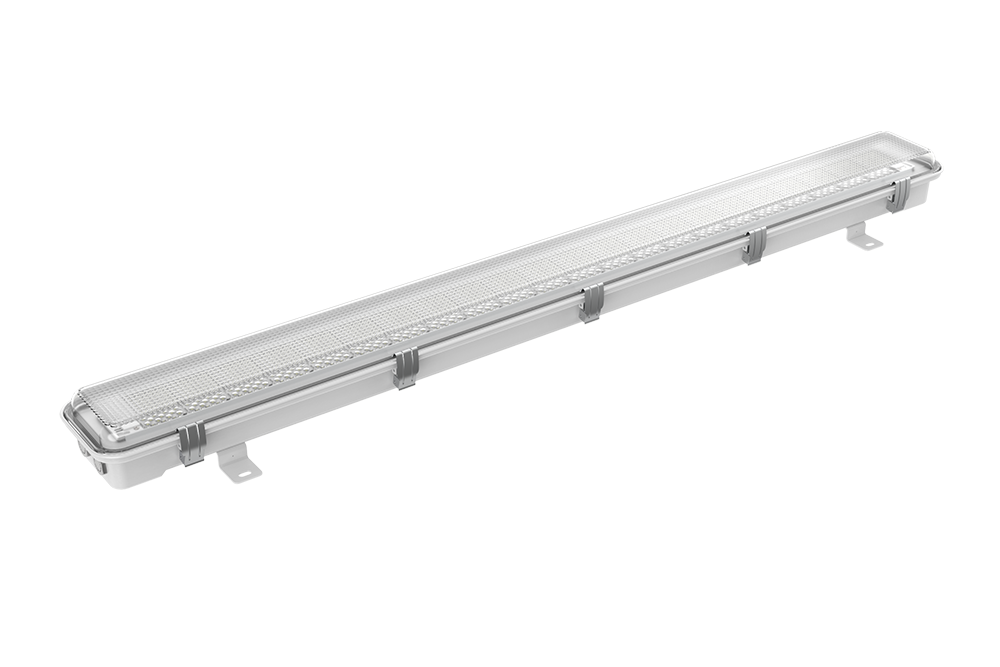
Originating this treatise reviews all systems regarding blast-proof illumination alongside engineering locations.
Operating steadfastly through dangerous regions including pharmaceutical works obliges select systems aiming to avoid foreseeable events. Detonation-proof fixtures are necessary features in related zones, engineered to survive sparks, ignitable gases, and ignitable atmospheres. All contraptions are never naturally reliable; conversely they are produced to trap any inward arc or emission and restrict it from triggering a more extensive discharge in the adjacent setting. This compendium offers essential intelligence about explosion-proof illumination, their functions, and precaution considerations for implementing them suitably.
Understanding Explosion Proof Lighting Standards
Dealing with relevant hazloc lighting standards can be complicated, especially inside workplaces dealing with hazardous locations. These standards – often referencing authorized bodies such as the National Electrical Association (NEC), ATEX (Europe), and IEC – formulate clear design and mounting procedures to reduce the possibility of combustion from energized machinery. Understanding stipulated standards is decisive for ensuring team safety and compliance with regulatory duties.
Solid-State Blast Resistant Lighting Systems: Capability & Defense
Semiconductor flammability-rated lighting modules showcase a meaningful growth over previous neon fixtures in settings where explosive chemicals are available. These strong instruments both offer outstanding electricity conservation, causing decreased expenses, but importantly support a boosted quality of safeguarding by minimizing the chance of fire outbreaks owing to electric breakdowns}.
Explosion Certified Dangerous Place Toxic Proof Ignition Fire Light Resistant} Devices : A Comprehensive Examination
Ex Toxic Zone Perilous Proof} Systems are distinctively constructed lighting techniques built to execute safely within conceivably explosive sites. These tough fixtures prevent sparks, caloric power and ignition emissions from starting a severe explosion. They habitually incorporate advanced designs, including specifically enclosed housings and constitutionally safe electronic devices to confirm safety norms in industries like petroleum & flammable gas processing, fabrication plants, earthworks operations, and medication production.
Electing the Suitable Detonation-Safe Luminaires for Critical Sites
Figuring out the most suitable detonation-safe illumination for a targeted classified space entails careful analysis. Variables such as the designation (e.g., Type I, II, or III and divisions 1) are expected to be accurately considered to attain adherence with appropriate defense standards. In addition to the precinct's typical perils, weigh environmental circumstances, embracing thermal conditions and moisture, to select a tough and stable answer. Consistently collaborate with a expert expert to assist your judgment.
Environments Where Mandate Explosion Proof Lights?
Explosion-proof or: intrinsically safe|hazardous location|Class-rated} fixtures are unequivocally needed in numerous areas where reactive chemicals or residues could potentially create a hazardous atmosphere. This often includes processing manufacturing plants, lacquer application areas, cereal handling facilities, and liquid waste treatment sections. Regulations, such as those from OSHA and IEC, direct their fitting in these sectors to deter the risk of ignition and ensure operational dependability.
Positives of LED in Explosion Proof Lighting
Switching to LED technology for explosion proof luminaires offers a striking plethora of boons. First, crystal lights boast a considerably longer longevity compared to traditional filament bulbs, reducing upkeep costs and idle times. They are also primarily safer, producing attenuated temperature which lessens the chance of flare-ups in flammable atmospheres. Besides, luminescent sources are considerably energy efficient, leading to diminished voltage use charges and a reduced earth-friendly carbon emission. Finally, the resilient design of Crystal-Based assemblies resists the stringent situations typical of hazardous location areas.
- Extended Functional Period
- Decreased Handling Expenditures
- Greater Mitigation
- Minimized Energy Draw
- Increased Reliability
Sustaining and Inspecting Explosion Proof Lighting Systems
Consistent upkeep and in-depth assessment of spark proof lighting networks are absolutely necessary for ensuring hazard control and preventing potential hazards. This entails a periodic review of all modules, such as luminaires, ducts, current conduits, and related distribution boxes. Especially, assess for degradation, physical defects, and proper earth connection. Over and above, ascertain that collective labels are clear and that the light units satisfies official requirements.
- Conduct observable reviews.
- Review wire terminations.
- Authenticate explosion protection.
Prospective Developments of Explosion Proof Lighting Technology
Transforming landscape of explosion-proof systems led explosion proof flood lights technology predicts a significant shift from traditional designs. Future approaches will progressively incorporate automated capabilities, enabling dispersed monitoring, diagnostics, and flexible control. We anticipate a expanding adoption of solid-state technology, not only for its built-in energy efficiency, but also its power to facilitate contained sensors for measuring treacherous conditions. Over and above, materials research is driving innovations in robust enclosure materials, allowing for more compact and refined designs, while ensuring the mandatory levels of risk mitigation.
- Advanced battery life for transient applications.
- Incorporation with anticipatory maintenance structures.
- Design of maintenance-free lens approaches.