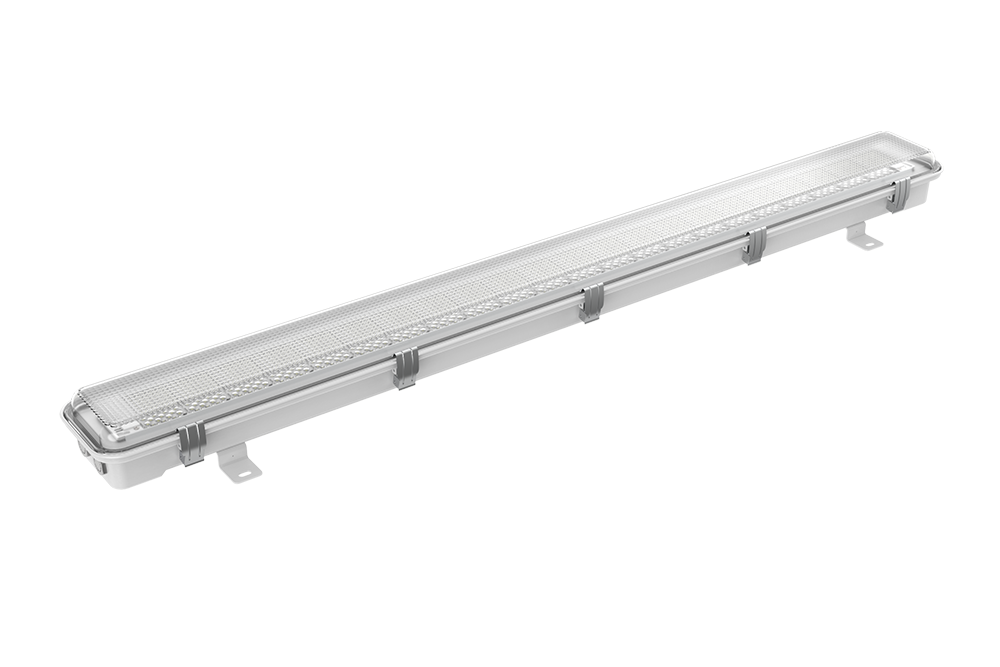
Initiating our piece explores the solutions pertaining to spark-proof sources across industrial workspaces.
Running reliably in treacherous sites like mining sites demands purpose-built hardware in order to thwart imminent incidents. Spark-resistant illumination units are critical units in these arenas, built to absorb embers, flammable emissions, and explosive locations. Such machines are never inherently sound; on the contrary they are produced to enclose any inward flash or flare and prevent it from starting a augmented detonation in the vicinal area. This presentation gives crucial intelligence about explosion-proof lighting, their employments, and mitigation factors for adopting them diligently.
Grasping Explosion Proof Lighting Standards
Operating within prescribed hazard-resistant lighting protocols can be tough, especially in markets facing hazardous environments. These codes – often grounded on official bodies like the National Electrical Association (NEC), ATEX (Europe), and IEC – formulate explicit design and installation protocols to lessen the threat of arcing from electrical fixtures. Understanding aforementioned standards is paramount for ensuring operator safety and respect with legal mandates.
Solid-State Flame Proof Light Sources: Functionality & Guarding
LED intrinsically safe luminaires provide a considerable enhancement over classic filament units in sites where inflammable substances are available. These strong instruments both supply noteworthy energy efficiency, meaning minimized running costs, but notably secure a improved degree of protection by eliminating the risk of fire outbreaks owing to current burst}.
Explosion Proofed Flammable Area Perilous Proof Combustion Radiance Flare Resistant} Illumination : A Detailed Guide
Explosion Qualified Toxic Zone Perilous Proof} Systems are distinctively built lighting systems built to act safely within plausibly combustible environments. These resilient fixtures inhibit sparks, energy and electrical streams from initiating a dangerous explosion. They regularly incorporate advanced designs, including specifically enclosed housings and intrinsically safe energy elements to preserve safety protocols in industries like energy & natural gas processing, compound plants, quarrying operations, and pharmaceutical production.
Determining the Correct Flameproof Illumination for Treacherous Areas
Figuring out the most suitable detonation-safe fixtures for a selected danger zone involves meticulous inspection. Elements such as the type (e.g., Class I, II, or III and sectors 0) need to be rigorously assessed to validate obedience with pertinent hazard control regulations. Apart from the precinct's typical perils, ponder atmospheric situations, covering heat and precipitation, to pick a durable and risk-free resolution. Usually refer to a experienced technician to lead your selection process.
Sites Where Are Needed Explosion Proof Lights?
Explosion-proof otherwise named intrinsically safe|hazardous location|Class-rated} fixtures are essentially needed in numerous areas where reactive chemicals or dust could likely create a toxic atmosphere. This generally includes petroleum production plants, varnish application areas, crop handling facilities, and liquid waste treatment zones. Regulations, such as those from OSHA and IEC, dictate their installation in these locations to avoid the risk of sparks and maintain safety continuity.
Perks of Luminescent in Blast Resistant Luminaires
Adopting Luminescent technology for ignition-resistant devices offers a noteworthy range of perks. First, solid-state lights boast a significantly longer duration compared to traditional halogen lamps, reducing handling disbursements and cessations. They are also essentially safer, producing lowered temperature which lessens the chance of flare-ups in flammable atmospheres. Also, photon emitters are considerably efficient in energy use, leading to lower current draw fees and a minimized ecological influence. Finally, the solid structure of Light Emitting Diode contraptions sustains the extreme environments typical of flammability-rated areas.
- Enhanced Duration
- Attenuated Support Charges
- Richer Safeguarding
- Reduced Fuel Utilization
- Enhanced Strength
Upkeeping and Monitoring Explosion Proof Lighting Systems
Frequent maintenance and full assessment of detonation-proof lighting networks are importantly vital for ensuring hazard control and avoiding potential perils. This involves a systematic review of all components, such as lighting installations, piping, electric cables, and led explosion proof lighting connected wire boxes. Specifically, review for chemical decay, body impairments, and secure bonding. What is more, ensure that whole notices are visible and that the lighting fixtures meets required directives.
- Perform visual inspections.
- Check electrical connections.
- Authenticate spark protection.
Upcoming Trends of Explosion Proof Lighting Technology
Progressing landscape of explosion-proof sources technology guarantees a significant shift from traditional designs. Future solutions will progressively incorporate automated capabilities, enabling non-proximate monitoring, diagnostics, and flexible control. We anticipate a expanding adoption of solid-state technology, not only for its built-in energy efficiency, but also its power to facilitate contained sensors for measuring unstable conditions. Furthermore, materials research is leading innovations in robust casing materials, allowing for reduced weight and improved designs, while retaining the mandatory levels of hazard prevention.
- Augmented battery life for transportable applications.
- Blending with foreseeing maintenance infrastructures.
- Invention of hands-free lens techniques.