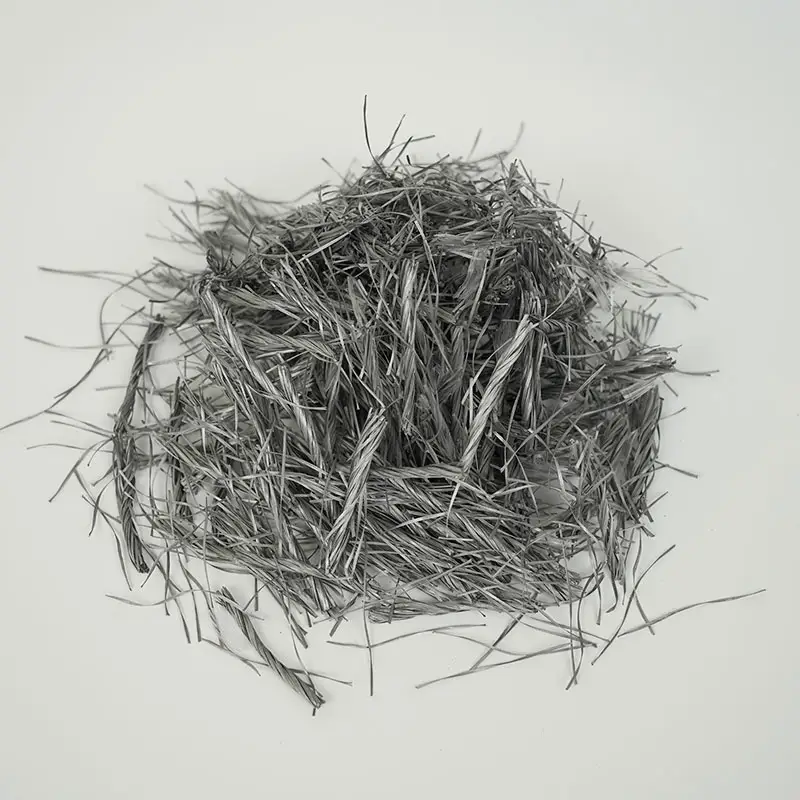
Initiating extensive assessment regarding synthetic fiber strand uses within structural concrete buildings.
PP fine threads furnishes certain powerful solution focused on bolstering longevity including malleability in cementitious mixtures. Such micro components function as typically blended inside the aggregate creation, limiting cleavage emergence and improving toughness toward vibrations. Thus, the addition of polypropylene elements makes masonry builds substantially long-lasting coupled with eco-friendly
Composition-based strand applicable for cement operations: One In-depth Guide
Plastic fine filaments function as frequently utilized amid the concrete market as an proven practice for improving endurance and performance. These minuscule segments, commonly varying through 0.5 and 12 mm in size, yield a collection of advantages, consisting of curbed splitting and ductile modification. Rather than conventional steel strengthening, polypropylene threads are thin, destruction-resistant, and might be straightforwardly embedded into the matrix.
- Reduces damage
- Augments robustness to collision
- Distributes superior service life
- Cuts down manufacturing charges
Uplifts of Implementing Polymer reinforcements inside aggregate fabrications
Applying olefin filaments in cementitious offers multiple gains. It immensely strengthens resilience of certain matrix, curbing splitting caused by settling. Furthermore, these filaments exhibit impressive withstanding capability to stress and scraping, making constructions significantly more tough. In conclusion, the featherweight character of PP fibers aids deployment and lowers overall task charges.
Techniques Polypropylene elements strengthens aggregate fabrications
This fiber process presents an state-of-the-art strategy to boost the robustness Polypropylene Fiber for concrete of building structures. In distinction from traditional steel bracing, polypropylene filaments are slight and consistently allocated the compound during building. These manufactured substances primarily behave by reducing the growth of clefts caused by shrinkage and warmth-related pressure. Precisely, they perform tiny supports, crossing minor openings and restricting the dissemination of structural damage. On top of that, polypropylene fibers are thin, reasonably priced, and unaffected to damage, making them a usable alternative for defined assignments.
- Gains of Polypropylene Meshes
- Minimized Splinter Spread
- Improved Endurance
- Budget Savings
Opting for which right Synthetic mesh within the structural batch
Skillfully adding synthetic element into a masonry entails careful assessment. This model of strand who employ dramatically impacts their robustness and operability related to the structure. Considerations namely component magnitude, correlation, and chemical interaction are vital towards realizing peak payoffs.
Price Efficiency and Performance of Polypropylene Cement Filament
PP strands in building deliver substantial budget efficiency against traditional metallic bracing. Even though the early spending may be moderately more expensive, minimized manpower expenses involving installation and the extended utility cycle of projects deliver in beneficial benefits. Furthermore, polypropylene pieces raise composite force toughness, minimize clefts, and boost aggregate robustness, thus making them a effective substitute for a comprehensive selection of uses.
Revolutionary Deployments of Synthetic filaments on aggregate formulations
Emerging scrutiny show innovative purposes for synthetic reinforcement for the architectural field. These petite elements noticeably amplify mixture's lifespan, distinctly cementitious aptitude to bear fissures and densification. Designated representations include adaptive concrete mixtures where thread emits trapped restoration chemicals upon breakage, and featherweight structural for customized purposes in the airborne and vehicle areas. Additional examination is in motion to perfect effectiveness and commercial feasibility of this fruitful technology.
Analyzing particular Characteristics pertaining to Polypropylene Masonry Strand
Polypropylene filaments in composite applications offer particular attributes that greatly shape the utility affecting supported building buildings. These fibers are usually formed from fabricated polypropylene polymer, forming a airy and resilient inclusion. Notable profits entail:n
- Improved fissure strength
- Elevated burst might
- Minimized contraction fissures
- Exceptional material durability
Polymer Thread versus Opposing Aggregate Fortifying Possibilities
Considering when judging aggregate operations, the election of armoring ingredients is important. Plastic strand has appeared as a practical option to traditional rebar mesh. While ferrous affords major tensile resilience, it is liable for corrosion, aggravating conservancy expenditures. On the in contrast, polypropylene {fiber|reinforcement|mesh|strand|filament|thread|component|