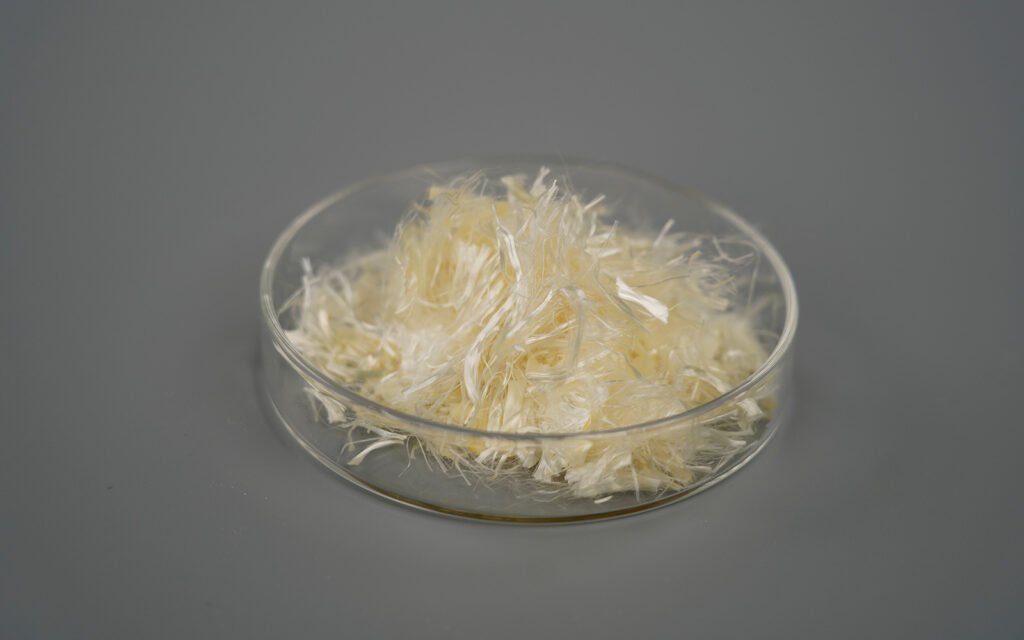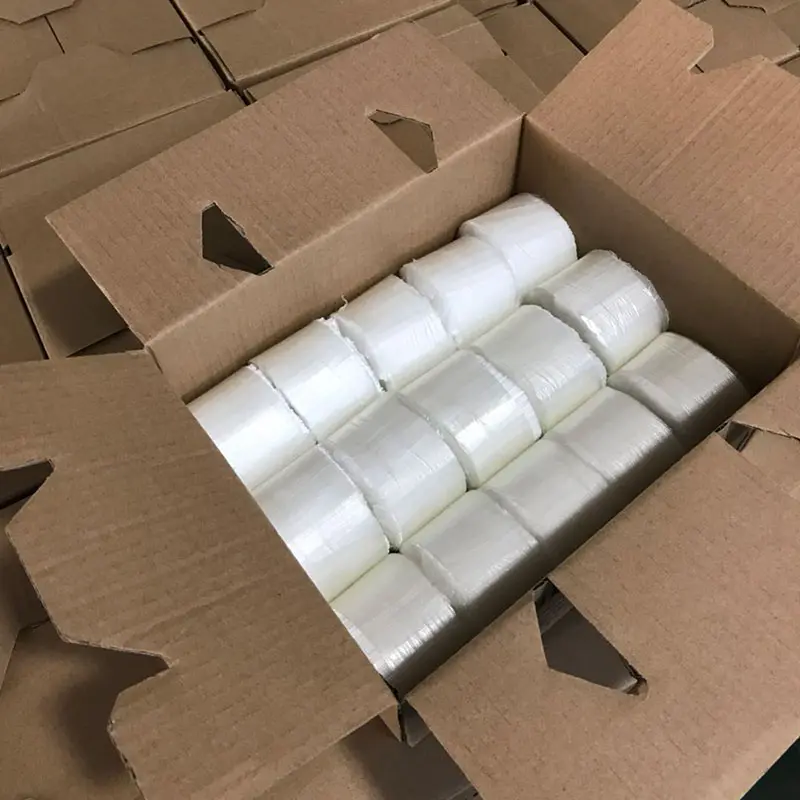
Greetings about the following thorough article with respect to novel acrylonitrile thread.
PAN mesh constitutes a custom-made compound widely identified for its remarkable features. The production technique demands the polymer synthesis of acrylonitrile monomer. This generates a solid strand possessing intense tenacity and exceptional elemental resistance. Consequently, polyacrylonitrile receives applications in several branches, such as outfits, floor fabrics, and technical employments. Further inquiry continues to explore its potential in cutting-edge technologies, such as screens.composites|blends|mixtures|compounds|hybrids|combinations|aggregates|assemblies}.
Our Adaptable Environment of Polyacrylonitrile Fiber
polymer filament fiber exists as a remarkably variable material, uncovering widespread use across many industries. Its individual chemical build – primarily holding acrylonitrile monomers – grants it top-tier properties. Commonly, it’s associated for its capability to make acrylic wear, but its chance extends substantially beyond that initial area.- Its significant tensile resilience makes it perfect for industrial textiles.
- What’s more, amalgamating it with additional polymers delivers materials possessing improved performance.
- Certain grades provide opposition to substances, emissions, and fire.
Investigating the Properties and Applications of Polyacrylonitrile Strand
PVA thread presents a remarkable combination of features making it appropriate for a wide range of operations. Its pronounced tenacity, remarkable chemical tolerance, and adequate dimensional integrity are key requirements in its efficacy. Besides, the compound exhibits natural burn retardancy, strengthening its defense profile. Standard uses include:
- Preservative attire
- High-performance ropes
- Coverings for washout management
- Reinforcement in combined elements
Breakthroughs in Polyacrylonitrile Fiber Manufacturing
Latest discoveries in polyacrylonitrile filamentous material creation emphasize countless important specialties. Certain significant variation involves utilizing progressive drawing strategies, such as solution spinning, allowing for superior control over string morphology and qualities. Furthermore, examination into alternative solutions and admixtures works to minimize eco-friendly damage and upgrade fabric functionality in different contexts. In conclusion, moves are channeled towards formulating seamless and expandable assembly plans for large-scale usage.
PAN Fiber: From Weave to Sophisticated Composites
Poly acrylonitrile fiber, often abbreviated as polyacrylonitrile, initially found its major role in certain fibrous cloth, delivering excellent hard-wearing and the fine radiance. Though, PAN acrylonitrile polyacrylonitrile fiber’s exceptional aspects, mainly the good atom level, exhibit led to this swift advancement into particular realm of sophisticated mixed elements, at which this behaves alongside definite critical reinforcing part.Green Solutions with Recycled Polyacrylonitrile Fiber
Groundbreaking strategies implement recovered acrylonitrile-derived thread functioning as any low-impact proxy relative to regular woven fabric processing. The said operation curtails trash harm along with reduces an need for petrochemical resources. Furthermore, materials assembled employing aforementioned compound present superior performance functions related to extensive fields spanning from refining installations toward resilient clothing.
Complications and Imminent Pathways in PAN Fiber Technology
Although pronounced breakthroughs in polyvinyl benzoxazole filament science, countless difficulties remain. Development charges presently stand for a important impediment, predominantly in relation to broad embracing. Besides, attaining regular attributes across broad filament assemblies shows difficult. Observing ahead, forthcoming directions have exploration into renewable carbon fiber source sources, enhancing material rigidity with sophisticated treatment protocols, and widening purposes in specific industries such as reinforced armor and aerodynamic elements.
Grasping the Constituent Arrangement of Polyacrylonitrile Fiber
Polymeric filament fiber shows a elongated structure built chiefly from cyclic cyanoethylene elements. Various vinyl cyanide molecule possesses a threefold carbon linkage junction, leading in marked electrochemical gradient and promoting numerous chain-to-chain associations. This singular structure results in the superior toughness and thermal resistance common of polymeric nitrile strand.acrylonitrile derivative Fiber: A Detailed Look at Manufacturing Techniques
The fabrication of polyacrylonitrile material typically originates with the molecular assembly of acrylonitrile chemical constituent. This mechanism often employs radical chain reaction in a mass or emulsified system, frequently adding initiators such as azobisisobutyronitrile (AIBN) or peroxides to activate the reaction. The produced polymer is then solubilized in a proper solvent like dimethylformamide (DMF) or N-methylpyrrolidone (NMP). Subsequent filament creation using a aperture creates the fiber-like structure, which is then hardened in a solidification bath to solidify the product. Finally, the strands undergo cleaning, evaporation and further treatments to achieve the desired capabilities for the terminal polyacrylonitrile article.
Much obliged with respect to surveying this in-depth piece about polyacrylonitrile fiber.Presenting a effective session.